


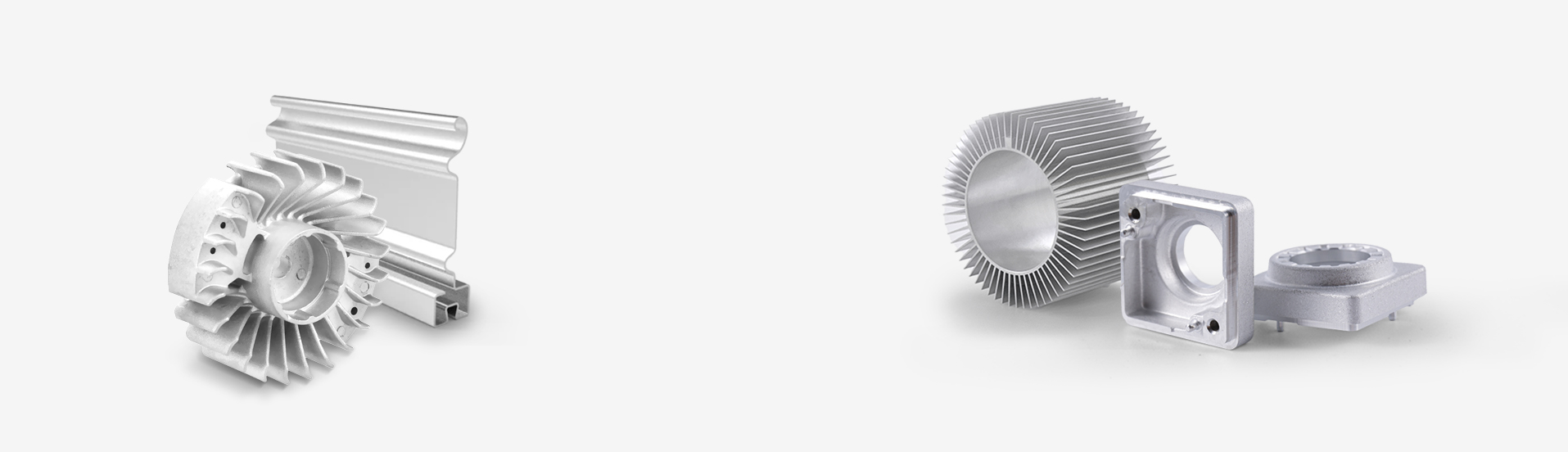
Güvenlik ve Sivil Elektronik
-
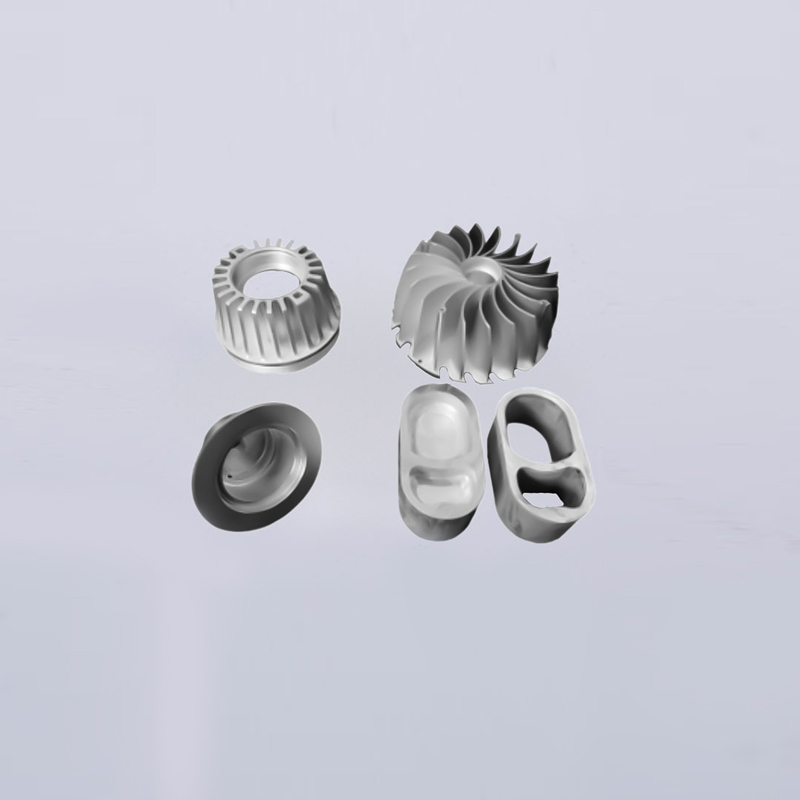
Malzeme: Al1070, güvenilir saflık, ürünün mükemmel ısı dağılımını sağlar, bu da müşteri tarafında lazer kaynağının güvenilirliğini ve stabilitesini sağlayabilir.
CNC: işleme kelepçesinin güvenilirliği;
Geliştirme: ürün toleransı ve uyumu; yapısal tasarım;
PPM: ürün kalitesinin istikrarı ve tutarlılığı;
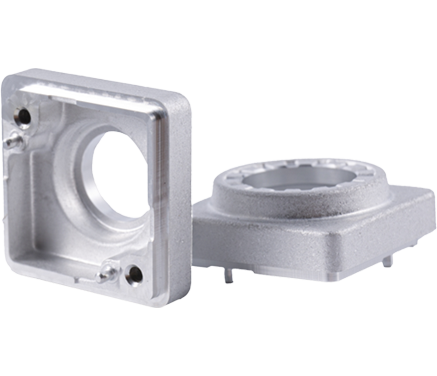
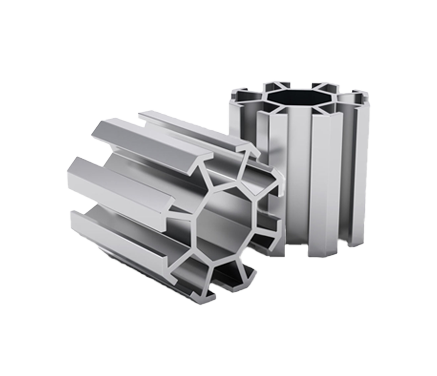
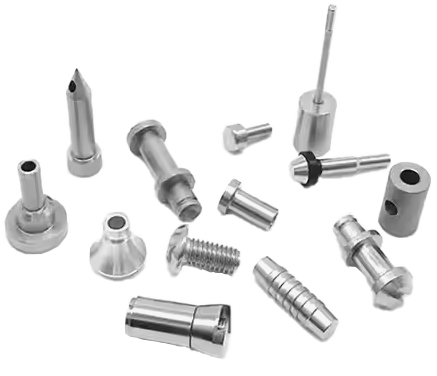
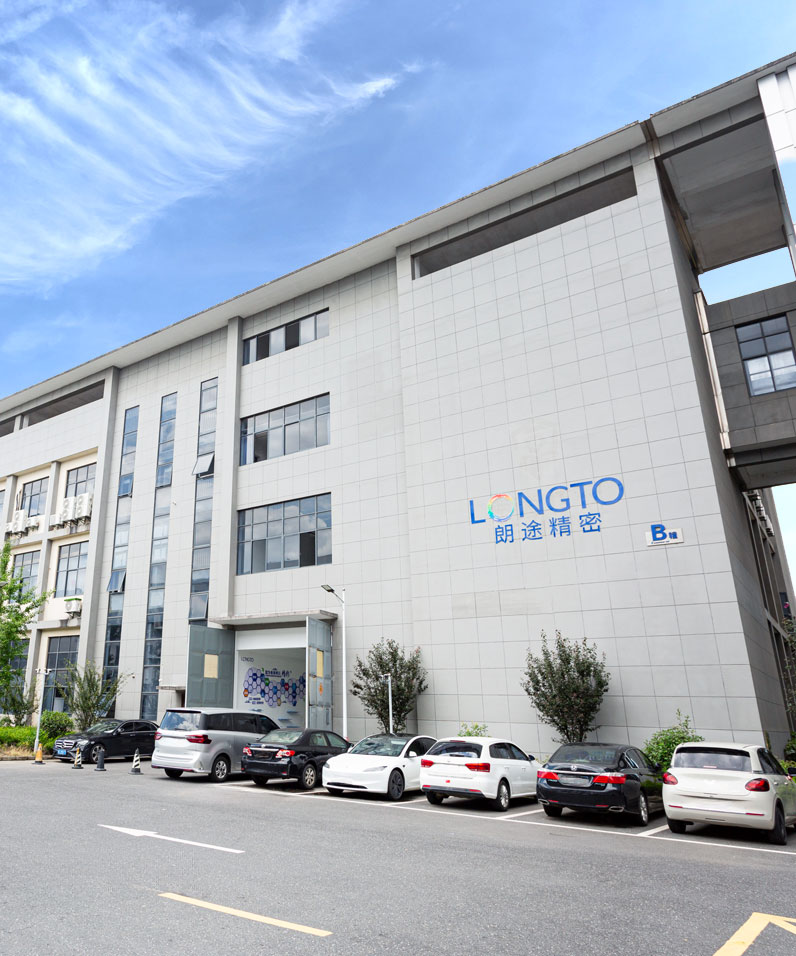
Hakkımızda
Longto Precision Industry (Zhejiang) Co., Ltd.
LONGTO Precision
Çin ve , alüminyum alaşımlı ürünlerin araştırma, geliştirme ve üretimine odaklanır, 20 ekstrüzyon hattı ve CNC işleme merkezleri ile donatılmıştır, entegre teknolojiye sahiptir. Jaguar Land Rover gibi uluslararası müşterilere uzun süreli hizmet verir, ürünler İngiltere, Almanya, Japonya ve ABD'ye ihraç edilir ve yapay zeka, sensörlü akıllı sürüş sistemleri ve yüksek hassasiyetli elektronikte yaygın olarak kullanılır.
-
 Nitelikli İşçi: 100+
 -
 Tahmini Çıktı Değeri: ¥300M+
 -
 Yıllık Kapasite: 30 Milyon Adet

Haberler
Tümü
Şirket Haberleri
Sektör Haberleri
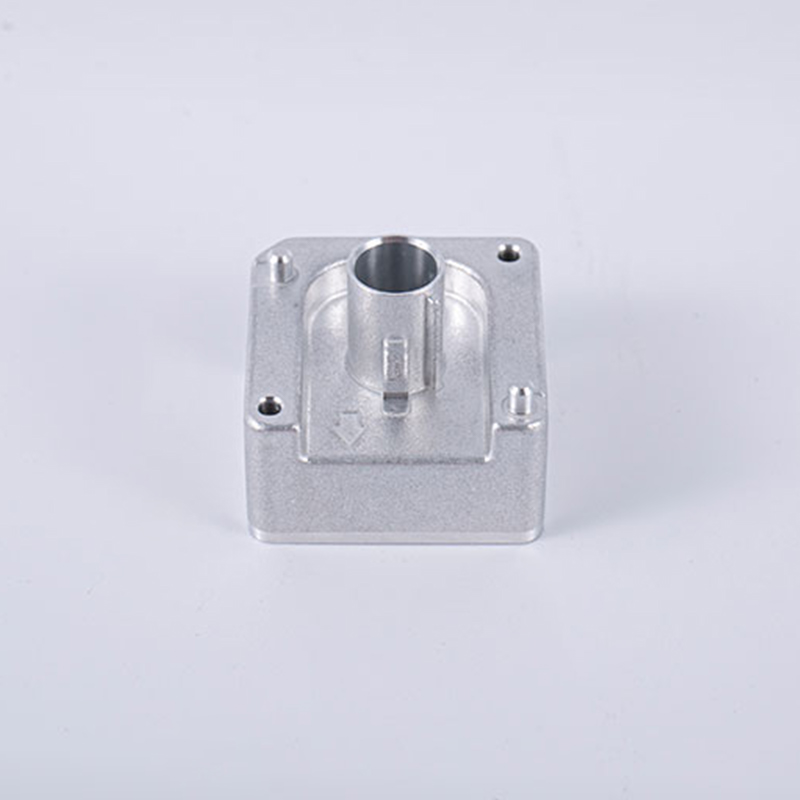
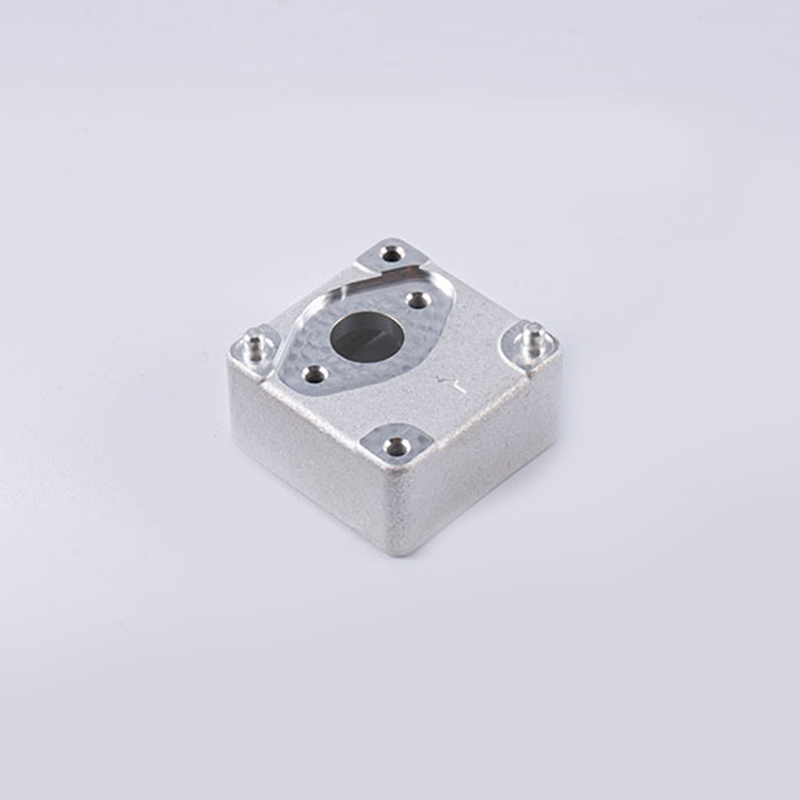
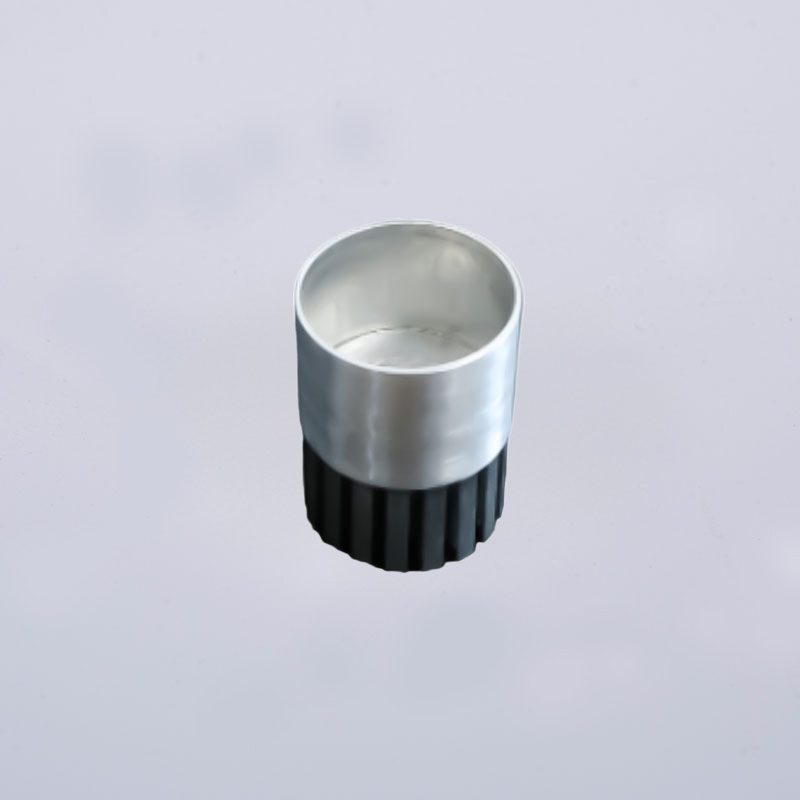
Aracın Alüminyum Kamera Kabuğu Sektör Bilgisi
How Aluminum Camera Shell Design Influences Vehicle Camera Performance and Installation Stability?
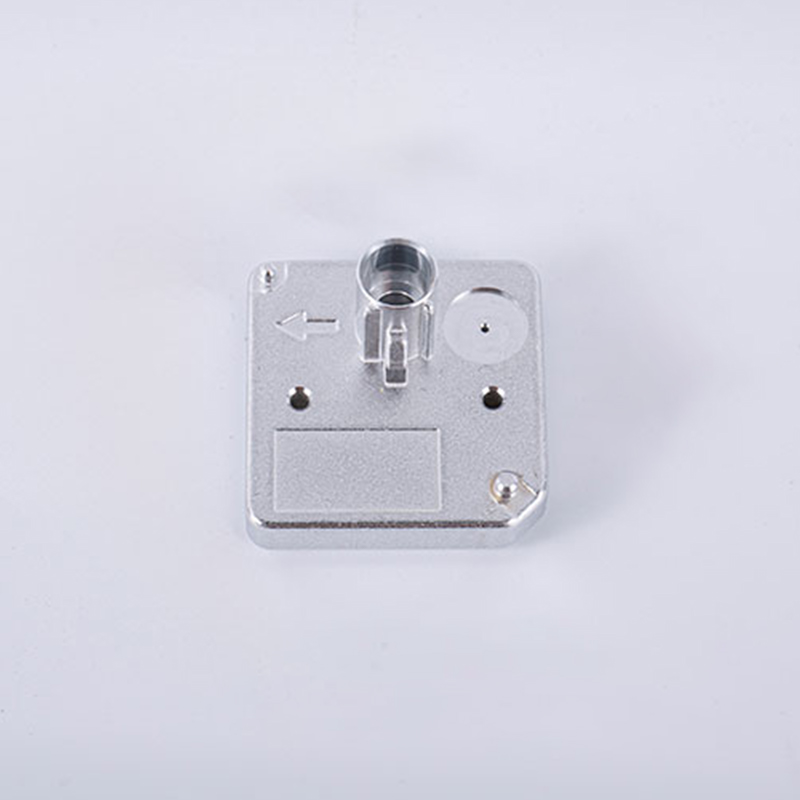
The design of an aluminum camera shell plays a critical role in ensuring that vehicle camera systems perform reliably under demanding AI, sensor conditions. From structural rigidity to thermal management, the engineering behind the shell directly affects imaging clarity, long term durability, and installation accuracy.
Structural Strength Ensures Stable Camera Positioning
A well designed aluminum shell provides high stiffness and impact resistance. This prevents micro vibrations and deformation that could cause image blurring, misalignment of optical components, and calibration drift in ADAS systems. Aluminum rigidity helps the lens and sensor remain fixed in precise alignment even under road impacts, vibration, or harsh weather.
Improved Thermal Management Enhances Image Quality
Cameras generate heat during operation, and temperature fluctuations can impact image sensors. Aluminum has excellent thermal conductivity. When the shell is designed with optimized geometry such as heat dissipating fins, it helps reduce internal temperature, prevent sensor overheating, maintain consistent image performance, and extend camera lifespan.
Corrosion Resistance Improves Long Term Durability
With proper design and surface treatments such as anodizing, aluminum shells resist water exposure, road salt, chemicals, and oxidation. This prevents corrosion related mechanical failures or optical obstruction and ensures reliable operation over time.
Lightweight Construction Supports Better Vehicle Integration
A lightweight aluminum shell reduces strain on mounting brackets and electronic components. This improves installation flexibility and compatibility with compact ADAS and autonomous driving modules while helping meet vehicle packaging and weight targets.
Precision CNC Machining Improves Alignment Accuracy
Aluminum can be machined to tight tolerances, enabling shells that ensure precise alignment between lens and sensor, accurate mounting positions, and compatibility with automated assembly processes. This precision directly affects image clarity and long term calibration stability.
Protective Design Enhances Environmental Reliability
Aluminum shells can be engineered with features such as sealed housings to meet IP67 or IP69K ratings, shock absorbing internal mounts, and reinforced corners for crash resistance. These design choices protect delicate electronics inside the camera system.
A well engineered aluminum camera shell is not just a protective housing. It is a critical component that directly impacts performance, reliability, thermal stability, and installation precision of vehicle camera systems. Thoughtful design enables accurate imaging under real world AI, sensor conditions, making aluminum a preferred material for modern ADAS and autonomous driving cameras.
Additional Options
If needed, this content can be converted into a longer industry article, integrated with a company introduction, or formatted for web or print.
Comparing Aluminum Camera Shells with Plastic and Magnesium Alternatives in Vehicle Camera Systems
The choice of material for vehicle camera shells directly influences durability, thermal stability, structural strength, and long term reliability. As the AI, sensor industry advances toward higher precision sensing and ADAS applications, the requirements for camera shell performance continue to increase. Longto specializes in the technological development manufacture and processing of aluminum alloy products and provides stable high precision components for AI, sensor markets.
Structural Strength and Rigidity
Aluminum delivers high rigidity that prevents deformation and maintains precise alignment of lens and sensor. Plastic has lower structural strength and is more prone to deformation under thermal stress which may cause calibration drift over time. Magnesium is stronger than plastic and lighter than aluminum but can be more brittle and often needs protective coatings to prevent corrosion.
Thermal Management Performance
Aluminum has excellent thermal conductivity which helps dissipate heat from sensors and improves long term imaging stability. Plastic has very low thermal conductivity and may accumulate heat in hot environments. Magnesium offers good thermal performance but is sensitive to oxidation and requires surface treatment.
Corrosion Resistance and Environmental Reliability
Aluminum works well with anodizing and powder coating to resist humidity road salt and chemicals which is ideal for long term outdoor AI, sensor use. Plastic provides excellent corrosion resistance but may age under ultraviolet exposure. Magnesium is susceptible to corrosion without treatment and coating quality greatly affects durability.
Weight Considerations
Aluminum is lightweight while providing high durability which suits ADAS system designs requiring strong mounting. Plastic is the lightest option and is suitable for low load applications. Magnesium is slightly lighter than aluminum but has higher cost and processing challenges.
Manufacturability and Precision
With advanced CNC and extrusion equipment aluminum achieves high precision for mounting surfaces and internal cavities. Plastic injection molding supports large quantities but offers lower precision and may warp. Magnesium is more difficult to mold and machine and has a higher defect risk.
Cost Considerations
| Material | Material Cost | Manufacturing Cost | Long Term Maintenance | Notes |
|---|---|---|---|---|
| Aluminum | Medium | Medium | Low | Best performance balance |
| Plastic | Low | Low | Medium High | Heat deformation issues |
| Magnesium | High | High | Medium High | Requires protective coating |
Summary Comparison
| Performance Factor | Aluminum | Plastic | Magnesium |
|---|---|---|---|
| Structural Strength | High | Low | Medium |
| Thermal Conductivity | Excellent | Poor | Good |
| Corrosion Resistance | Excellent with anodizing | Good | Poor without coating |
| Weight | Medium | Very Light | Light |
| Manufacturability | Excellent | Good | Difficult |
| Cost Efficiency | High Value | Low Cost | High Cost |
| Suitable for ADAS | Yes | Limited | Conditional |
Aluminum camera shells offer the most balanced solution for vehicle camera systems by providing thermal stability structural strength corrosion resistance and manufacturing precision. These qualities are essential for ADAS and autonomous driving technologies. With proper surface finishing and precision machining aluminum is often the preferred choice over plastic and magnesium for high requirement AI, sensor camera applications.
Additional Options
This content can be converted into a longer industry article integrated with a company introduction or optimized for web and print if needed.

-
Telefon Numarası
+86-0572-2210226Telefon Numarası
+86-13819283977 +86-13655726561 +86-13567228000Adres
Bina B, İnovasyon ve Girişimcilik Endüstri Parkı, No. 288, Yansan Yolu, Huzhou Şehri, Zhejiang Eyaleti, ÇinQR Kod
-
Hızlı Bağlantılar
Ana Sayfa Ürünler Hakkımızda Yetenekler Endüstriler Haberler Bize Ulaşın -
Keşfet
Aracın Alüminyum Kamera Kabuğu Alüminyum Soğuk Ekstrüzyon Alüminyum Soğuk Dövme Parçaları -
Bizimle iletişime geçmekten çekinmeyin
Telif Hakkı © Longto Precision Industry (Zhejiang) Co., Ltd. Tüm Hakları Saklıdır.
